
Opening a Café in Turkey: A 40-Point Pre-Opening Checklist
A 40-point checklist for opening a café in Turkey: concept, space, permits, equipment, menu and team, with 2026 cost figures and a chef's practical notes.
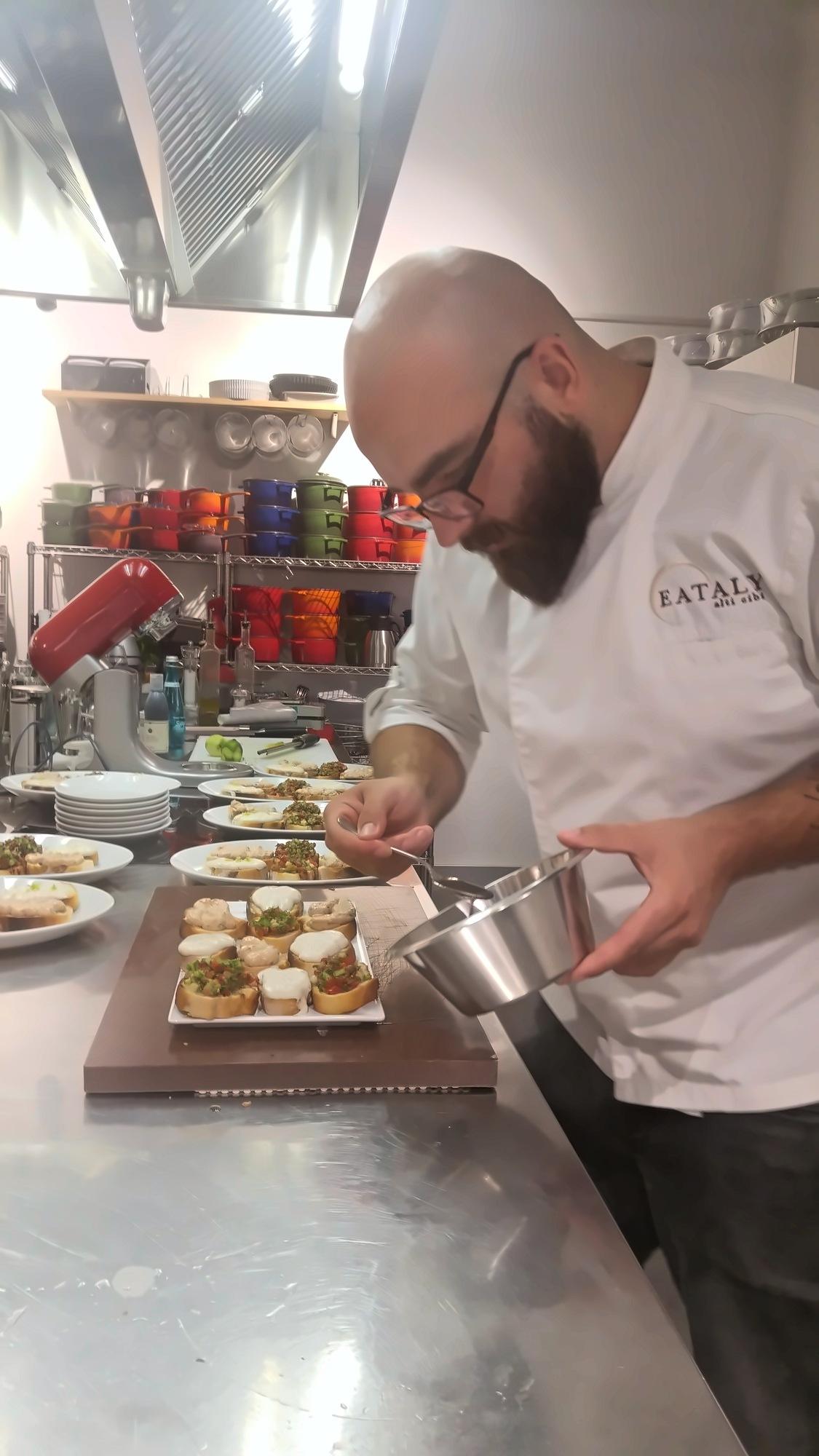
From the outside, opening a café looks easier than opening a restaurant: a smaller kitchen, a shorter menu, a smaller team. But a café lives on rhythm. The morning coffee queue, the half-hour lunch rush, the quiet late-afternoon cake hour... If the place isn't set up to carry that rhythm, even the best coffee won't clear the queue.
The list below brings together 40 things to check before a café opens, in six stages. Work through them in order; skipping one usually makes the next one more expensive. Cost figures come from Turkish sources dated 2026, were accessed on 17 October 2026, and are in Turkish lira (TL). They're estimates, not quotes.
First, the budget reality
According to NetRestoran's guide of 1 August 2026, setting up a 40–50 m² boutique café costs TL 650,000–1,500,000, and a mid-sized 70–120 m² café TL 1.5–3.5 million and up. Including working capital, the same source puts a realistic start for a small boutique café at TL 800,000–1,800,000, and adds that most cafés that close don't close because of bad coffee: they close when the working capital runs out. For a line-by-line breakdown, see my post What It Costs to Open a Restaurant in Turkey in 2026.
The three points that matter most, from a chef's view
Every point on the list matters, but seen from the kitchen, three of them decide the opening. Point 14 (flow): if the route between the bar and the dishwash is drawn wrong, the team gets in each other's way at peak, and fixing it later means building work. Point 22 (peak capacity): choose the machine for your busiest half hour, not for the brochure. Point 29 (recipe cards): without them you know neither your costs nor how to teach one barista's cup to the next. Get these three right and the rest falls into place much more easily.
1. Concept and feasibility
- Describe your guest in one sentence. Who comes, at what time, and why? "Everyone" isn't an answer.
- Write down your trading hours and peak slots. Morning, lunch or late afternoon? If you're inside an industrial zone or a campus, shift-change times will shape your menu.
- Build three scenarios for average spend and daily covers: bad, average and good. Make your decisions on the bad one.
- Do a competitor walk. Visit nearby cafés at different times of day and note prices, waiting times and how full they are.
- Break the setup budget down line by line. NetRestoran puts coffee equipment for a small café at TL 150,000–350,000, POS and till at TL 15,000–40,000, licences and paperwork at TL 30,000–80,000, and opening stock at TL 30,000–60,000.
- Keep working capital separate. The sources agree: set aside at least 3–6 months of fixed costs outside the setup budget (NetRestoran, Kafe360).
- Calculate your break-even revenue. Divide monthly fixed costs by your contribution margin. When you write the staff line, remember that in 2026 a minimum-wage employee costs the employer TL 40,214.03 a month with the 2-point social-security discount (Ministry of Labour).
2. Space and infrastructure
- Have a lawyer read the lease. The term, the annual increase and the exit clauses decide whether your fit-out money ever comes back.
- Ask the municipality before you sign. Can a café be licensed at that address? Get it in writing.
- Check the electrical capacity. The espresso machine, the oven and the dishwasher will all run at once at peak.
- Plan water and drainage. Water filtration or softening for the coffee machine and dishwasher, plus a water supply and drain under the bar.
- Think about extraction. If you'll cook anything hot, the hood and odour extraction belong in the plan from day one.
- Budget the fit-out per square metre. According to Tabres's guide of 24 August 2026, an empty unit costs TL 3,500–7,500 per m² for an economy concept and TL 7,000–13,000 per m² for a standard one; a unit previously used as a café, TL 2,000–5,000 per m².
- Draw the flow. Deliveries → storage → prep → bar → service → dishwash → waste. Clean and dirty routes shouldn't cross.
3. Permits and paperwork
- Plan company formation and tax registration with an accountant, and choose your fiscal till POS (ÖKC) at the same stage.
- Get the Business Registration Certificate (İşletme Kayıt Belgesi). Required under Law No. 5996, you can apply through e-Devlet.
- Find out your municipality's fee for the Workplace Opening and Operating Licence. In Çankaya Municipality's 2026 tariff, for example, a cafeteria pays TL 10,000 up to 50 m² and TL 15,750 for 51–100 m²; a 51–100 m² cafeteria serving alcohol pays TL 75,000.
- Fire safety: ask the municipality in advance which fire-compliance documents and extinguishers it requires.
- Hygiene training certificate: everyone who handles food directly, including you if you work in the business yourself, needs hygiene training from a Ministry of Education-affiliated institution (Ministry of Health).
- Register the workplace with the Social Security Institution (SGK) and notify each employee's start before their first shift.
- Budget for music licensing. According to Kafe360, royalties go to three collecting societies (MSF, MÜYORBİR and MÜ-YAP) and work out at roughly TL 3,000–5,000 a month. Ask the municipality about the permit and tax for your shop sign too.
4. Equipment
- Choose the espresso machine and grinder for your peak. The question isn't "Which is the best machine?" but "How many cups go out in the busiest half hour?" NetRestoran budgets TL 250,000–600,000 for the machine and grinders in a mid-sized café.
- Separate your refrigeration. Under-counter fridges, a display case and dedicated space for milk; raw and ready-to-eat products never on the same shelf.
- Size the dishwasher to the cup cycle. If you run out of clean cups at peak, service stops.
- Decide on ovens and heating from the hot items on your menu, not the other way round.
- Install the POS and ordering system before opening and teach the team on it with practice orders.
- Count your service ware. Work out cups, glasses, plates and cutlery from the number of guests at peak and the dishwasher cycle.
5. Menu, recipes and suppliers
- Keep the menu short. Use every ingredient in at least two items; storage shrinks and waste drops.
- Write a standard recipe card for every item: weights, volumes, trim loss, cost and a plating photo.
- Set a food cost target. According to robotPOS's 2026 guide, the healthy band for cafés and patisseries is 20–28%.
- Fix the coffee recipe: dose, yield and time. The cup should taste the same whoever's on the bar.
A note from Chef Tuluğhan: In any kitchen, the one thing you can't do without is consistency: every item has to come out at the same quality every time. Take pizza dough. It needs at least two days of preparation, and the moment you change the steps or the timings, you get a different result. That's why the steps and timings have to be the same every day, for everyone.
- Have two suppliers for every key item. Get delivery days and minimum order quantities in writing.
- Start your food-safety records: an allergen chart, fridge temperature logs, goods-in checks and a cleaning schedule. These are the first steps of a HACCP-based system.
6. Team and opening
- Build the team around your peak slots. Kafe360 estimates the loaded cost of a minimum-wage employee, once severance provision and staff meals are added, at about TL 47,000 a month.
- Write job descriptions and opening and closing checklists. Who switches the machine on, who cashes up, who logs the temperatures?
- Run the training plan before opening: bar, kitchen, till and hygiene. The team should have made the menu many times before the first guest.
- Hold trial services. Invite friends and family, run real order flow, and time the waits.
A note from Chef Tuluğhan: Not every problem shows up in a trial service; sometimes you catch it at the opening itself, before service starts. At the gala dinner for a high-end restaurant I was opening in Istanbul, we had to make hollandaise in large volume for one of the restaurant's signature dishes. Because I don't use ready-made products, that's hard: hollandaise is a sauce that splits very easily. Before service, I saw one of my chefs de partie run into exactly that problem, and I knew it could keep happening. I made a quick call and swapped the sauce on that plate for béarnaise. That headed off problems down the line, and everyone left the gala dinner happy.
- Tie the cleaning plan to people and times: daily, weekly and monthly tasks.
- Finalise opening stock and the first week's ordering plan after the trial services.
- Measure the first 30 days. Daily revenue, best and worst sellers, waste and food cost. Review the menu at the end of the first month based on that data.
FAQ
What documents do I need to open a café in Turkey?
The basics are the Business Registration Certificate (Provincial Directorate of Agriculture and Forestry), the Workplace Opening and Operating Licence (municipality), tax registration, SGK workplace registration, and hygiene training certificates for staff. Ask your municipality in advance about any additional documents.
How much does it cost to open a café in 2026?
According to NetRestoran, setting up a 40–50 m² boutique café costs TL 650,000–1,500,000, and a realistic start including working capital is TL 800,000–1,800,000. Location and the state of the unit move that number the most.
What should a café's food cost be?
robotPOS's 2026 guide considers 20–28% healthy for cafés and patisseries. Free extras and unrecorded waste quietly push it up.
When should I start using this list?
Before you sign the lease. The first 14 points should be answered before you commit to a space.
Let's adapt the list to your café
Every café weighs these 40 points differently. If you'd like to go through your space, your menu idea and your budget against this list together, leave a short note on the contact page. I usually reply within 48 hours.
Sources (accessed 17 October 2026): NetRestoran, Kafe Açma Maliyeti 2026 (01.08.2026) · Kafe360, Kafe Açma Maliyeti 2026 · Tabres, Kafe Açma Maliyeti 2026 (24.08.2026) · Ministry of Labour, Minimum Wage 2026 · Çankaya Municipality 2026 tariff · robotPOS, Food Cost Nedir? (26.02.2026, updated 07.08.2026) · e-Devlet, Business Registration Certificate · Ministry of Health, Hygiene training